
This is the First video I ever made of myself forging. It’s not bad. This has a lot of sweat and passion for the craft in it. I Believe I was 16 in this video.
Now that you’ve seen where I come from, let’s talk about how coal started it’s journey.
The time frame is the Carboniferous Period, which spans the period from 360 million years ago to 286 million years ago, about 70 million years before the dinosaurs. The bottom half of this period is known in the U.S. as the Mississippian Period, the top half as the Pennsylvanian Period, and coal formed as the Mississippian Period ended and the Pennsylvanian Period started.
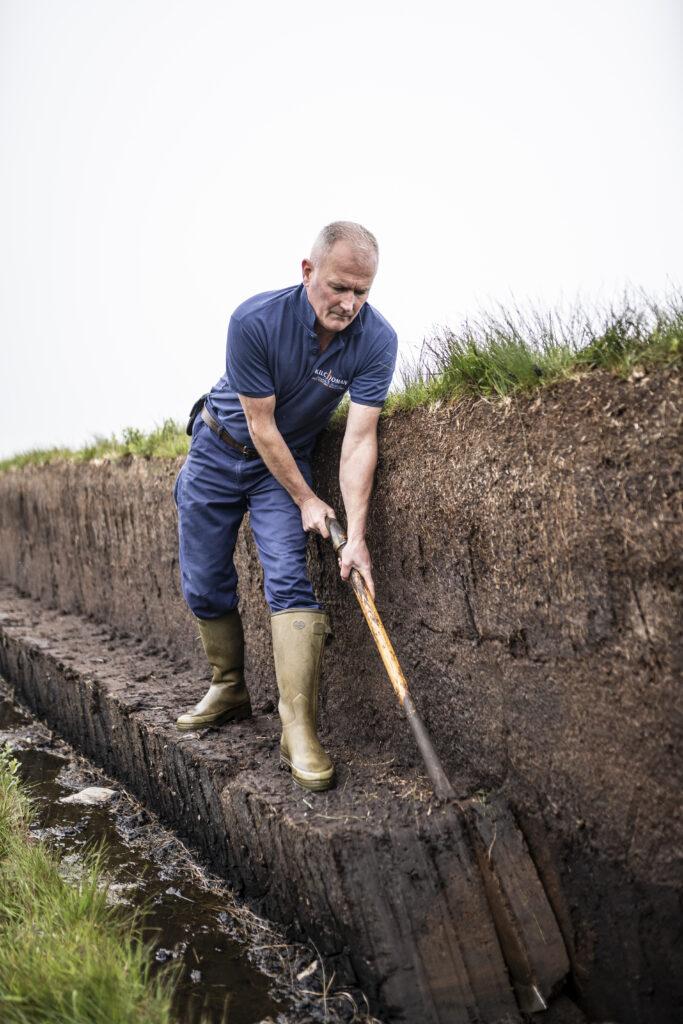
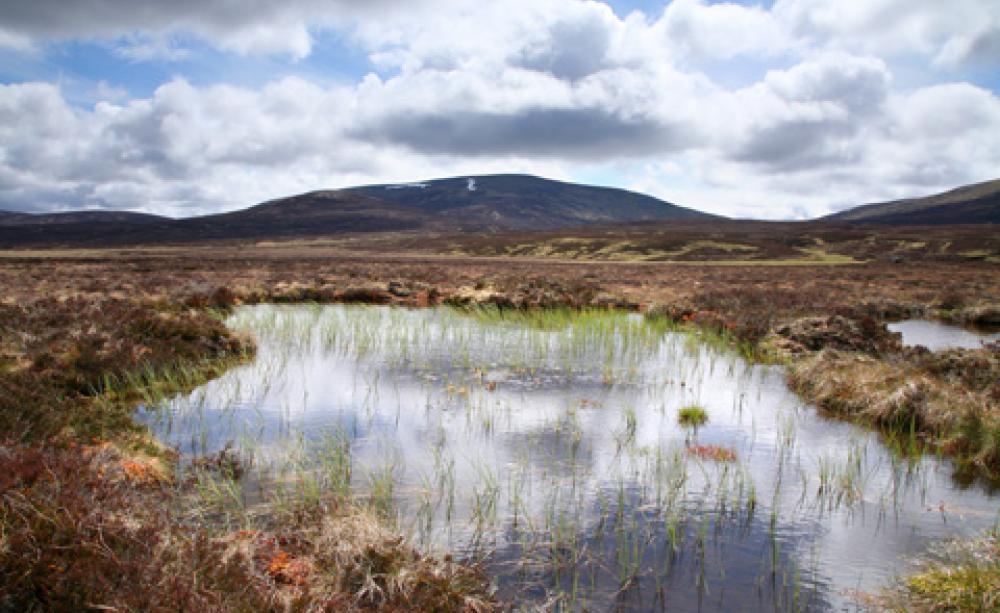
Coal seams are fossilized accumulations of plants which lived and died in swamps that were so devoid of oxygen that few microbes or other critters could survive to feed on their remains. The first phase of coal known as “peat” thus developed.
These swamps were interwoven with intricate, meandering river channels which eventually covered things with mud and silt. Subsequent deep burial by more sediments in succeeding geologic ages resulted in heat and pressure which transformed the peat into coal. Generally speaking, every 12 inches of coal thickness represents approximately 10,000 years of continuous peat accumulation.
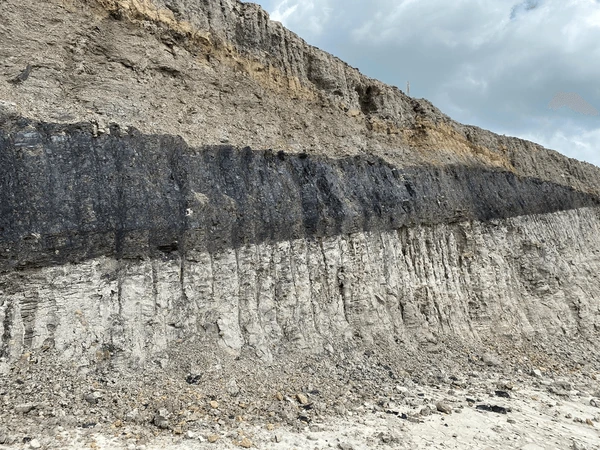
Coal seams in West Virginia average 3 feet in thickness, although they occasionally can be as thick as 25 feet.
When the swamp stretches across 2, 3, or more states, one part of the swamp can easily be different from the other, and form coal that, although in the same seam, is different in composition.
As Received Specs:
Size: Nut 3 x 1 1/2″
Moisture: 1.48%
Ash: 7.12%
Sulfur: .75%
BTU/lb: 14,373
BTU/lb: 15,724 (dry, ash-free)
Volatile Matter: 18.63%
Fixed Carbon: 79.62% (dry ash-free)
Free Swelling Index (Coke Button): 9
Lbs sulfur per million BTU: 0.52
Coal analysis report by Geochemical Testing, Somerset, PA.