In blacksmithing, material choice often matters as much as the project itself, but early on, that wasn’t something I understood. I used to believe that if I picked the “best” steel I could find for a job, the rest would take care of itself. More often than not, that belief led to failure.
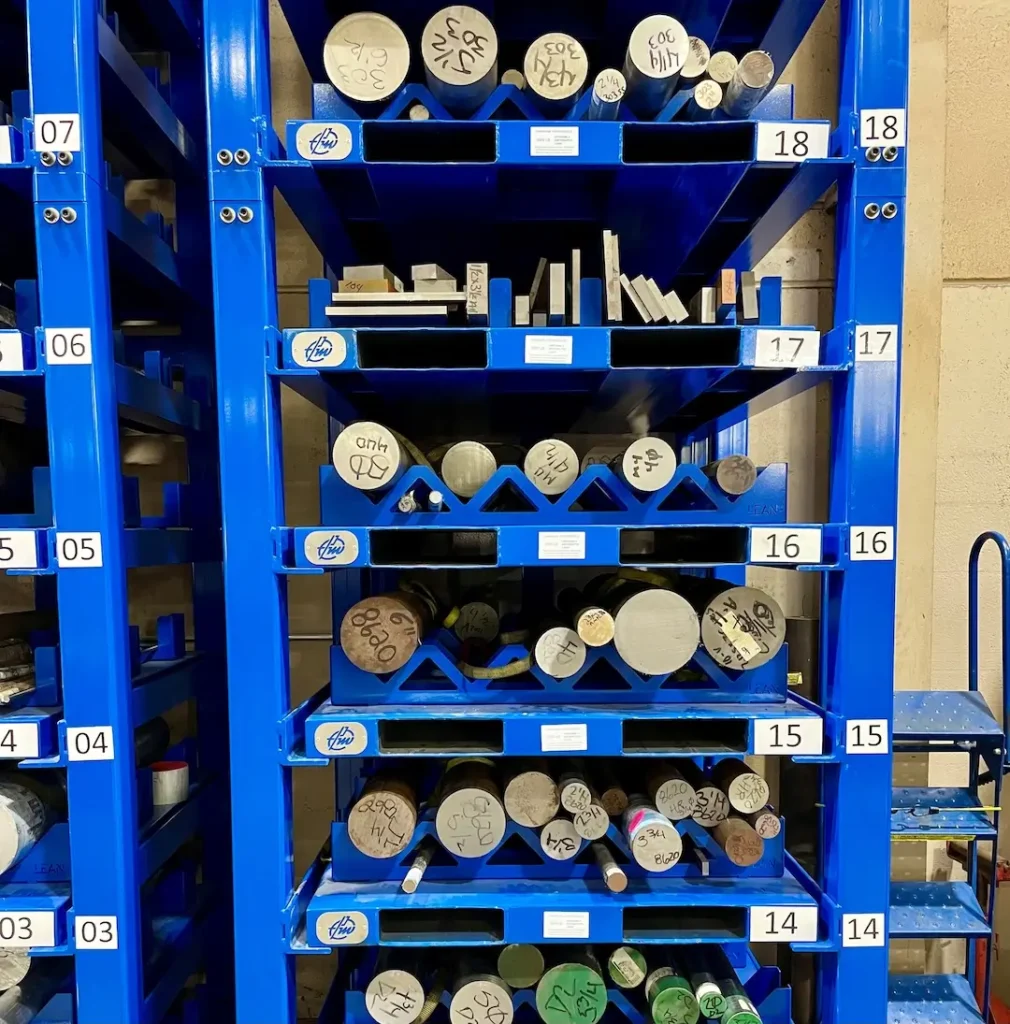
In my early years, I’d get excited about making a knife for a specific task. I’d research steels, compare properties, and buy what seemed like the ideal material. Then I’d rush to the anvil and start forging. Hours later, I’d end up with a rough, barely recognizable shape and a growing sense of frustration. Sometimes I’d push forward anyway, heat treat it without really understanding the steel, and watch it fail during testing. By that point, I hadn’t just made a bad knife… I’d wasted good material, time, and energy.
It took repeated failures for me to realize the real problem wasn’t just skill, but material choice. I was using unfamiliar steel on projects I hadn’t practiced enough. I was letting excitement dictate decisions instead of experience. The steel wasn’t wrong on its own… I was wrong for choosing it at that stage of the process.
What I should have been doing, and what I do now, is much simpler: practice first in mild steel. Learn the shape. Understand the movement. Make mistakes where they cost less. Once the form and process are familiar, then move on to the optimal steel for the job.
Failure taught me that choosing material isn’t about chasing the best steel, it’s about choosing the right steel for where you are in the process. Every mistake I made under the hammer, shaped how I make those decisions today.